Common Tiered Cake Stacking Mistakes – and How to Avoid Them
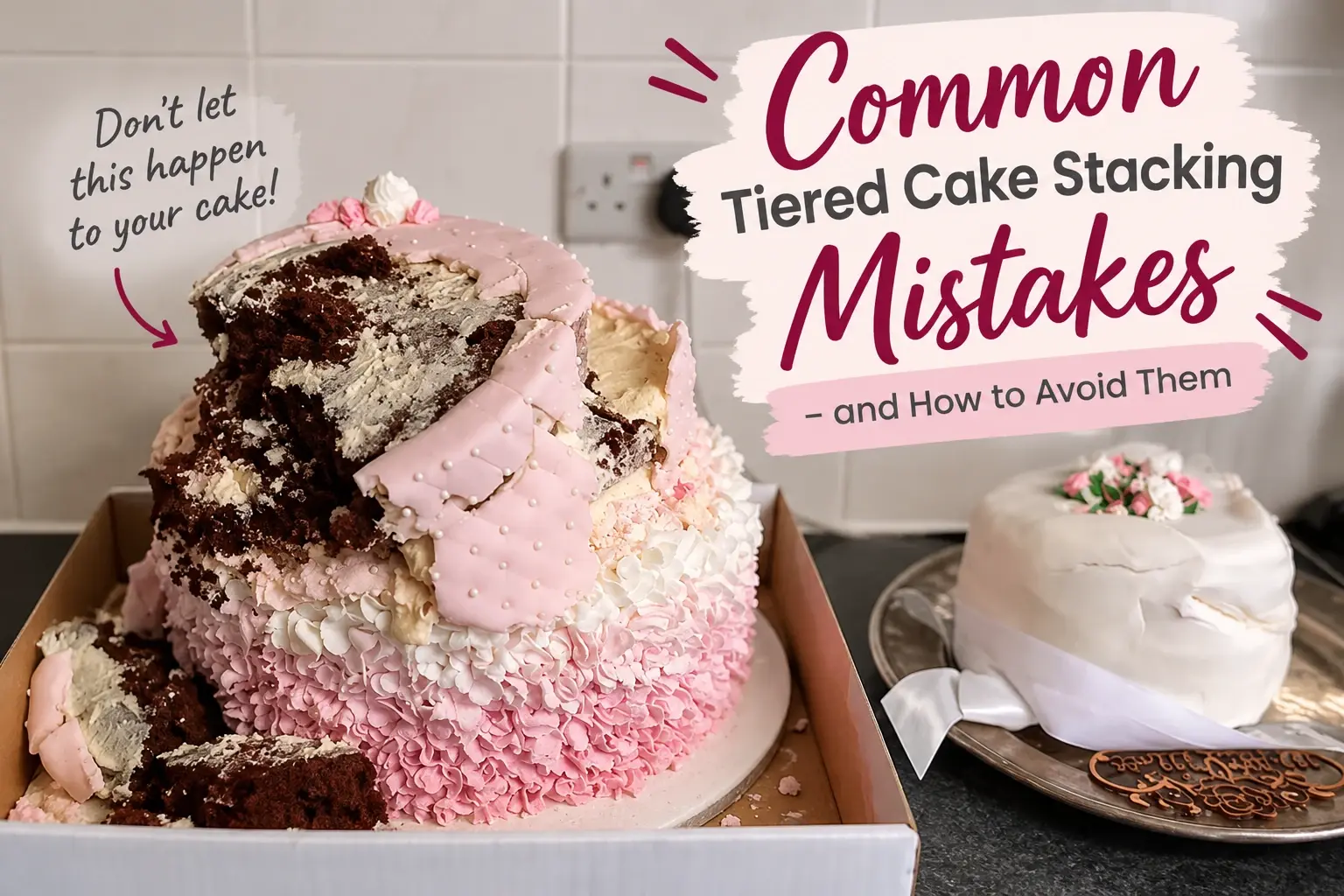
Stacking a tiered cake can feel like one of the most nerve-racking parts of cake decorating. You’ve spent hours baking, filling, covering and decorating each tier – the last thing you want is a cake that leans, sinks or moves during transport.
The good news is that most tiered cake problems come down to a handful of common mistakes. Get the support structure right and you can stack your cake with much more confidence.
Here are some of the most common cake stacking mistakes, and how to avoid them.
1. Skipping the cake cards
Every tier of a stacked cake needs to sit on a suitable cake card or cake board.
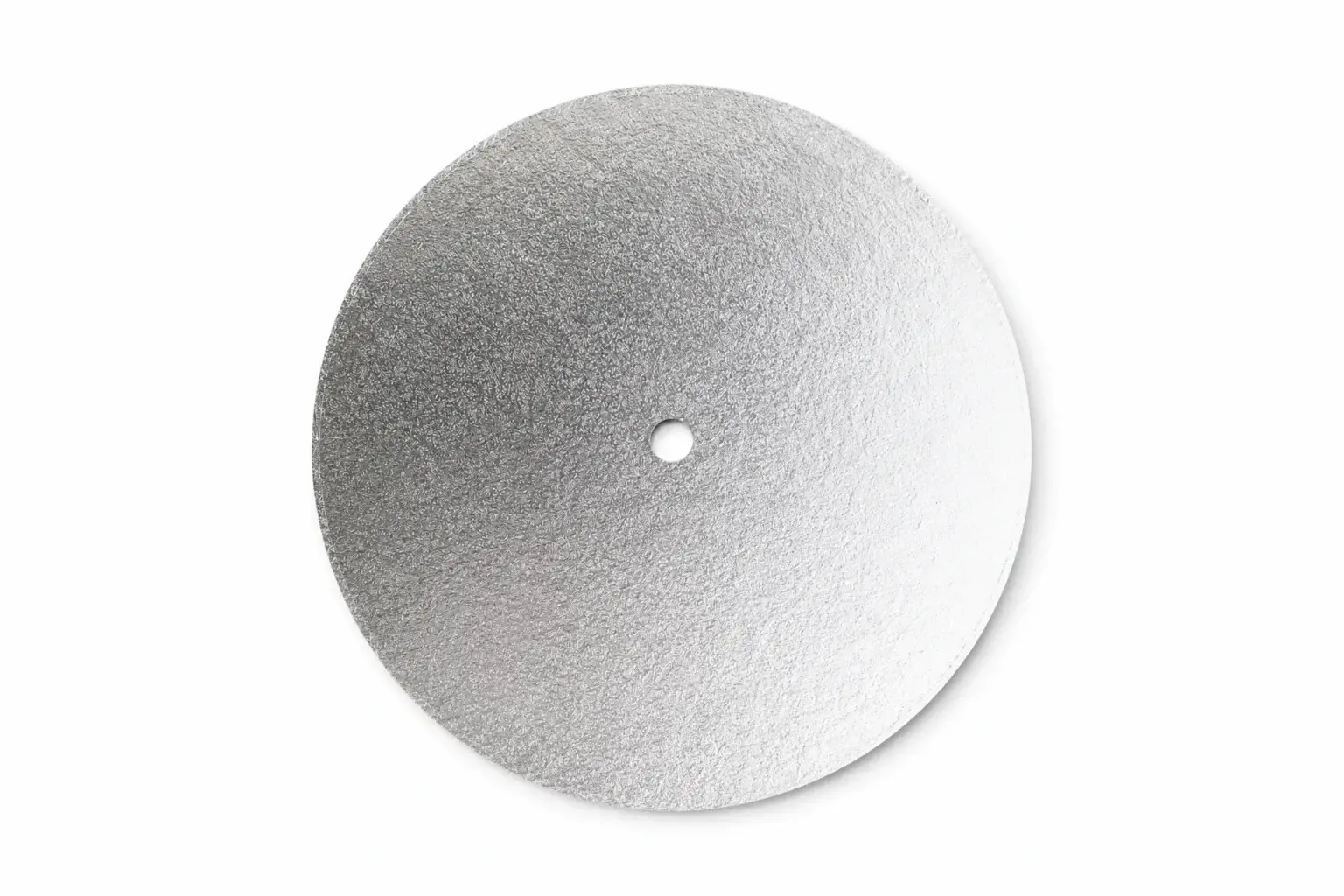
The card underneath each tier isn’t just there to make moving the cake easier. It forms an important part of the cake’s support structure, allowing the weight of the tier to rest on the dowels underneath rather than directly on the cake below.
Without a cake card, the upper tiers can put pressure directly onto the sponge beneath them, increasing the risk of sinking, leaning or collapsing.
Top tip: Make sure your cake card is the correct size for the tier so that it sits neatly underneath the cake, or go slightly smaller to ensure the card is hidden on the overall display.
2. Not using enough dowels
One of the biggest mistakes when stacking a tiered cake is expecting the cake itself to support the weight above it. It shouldn’t.
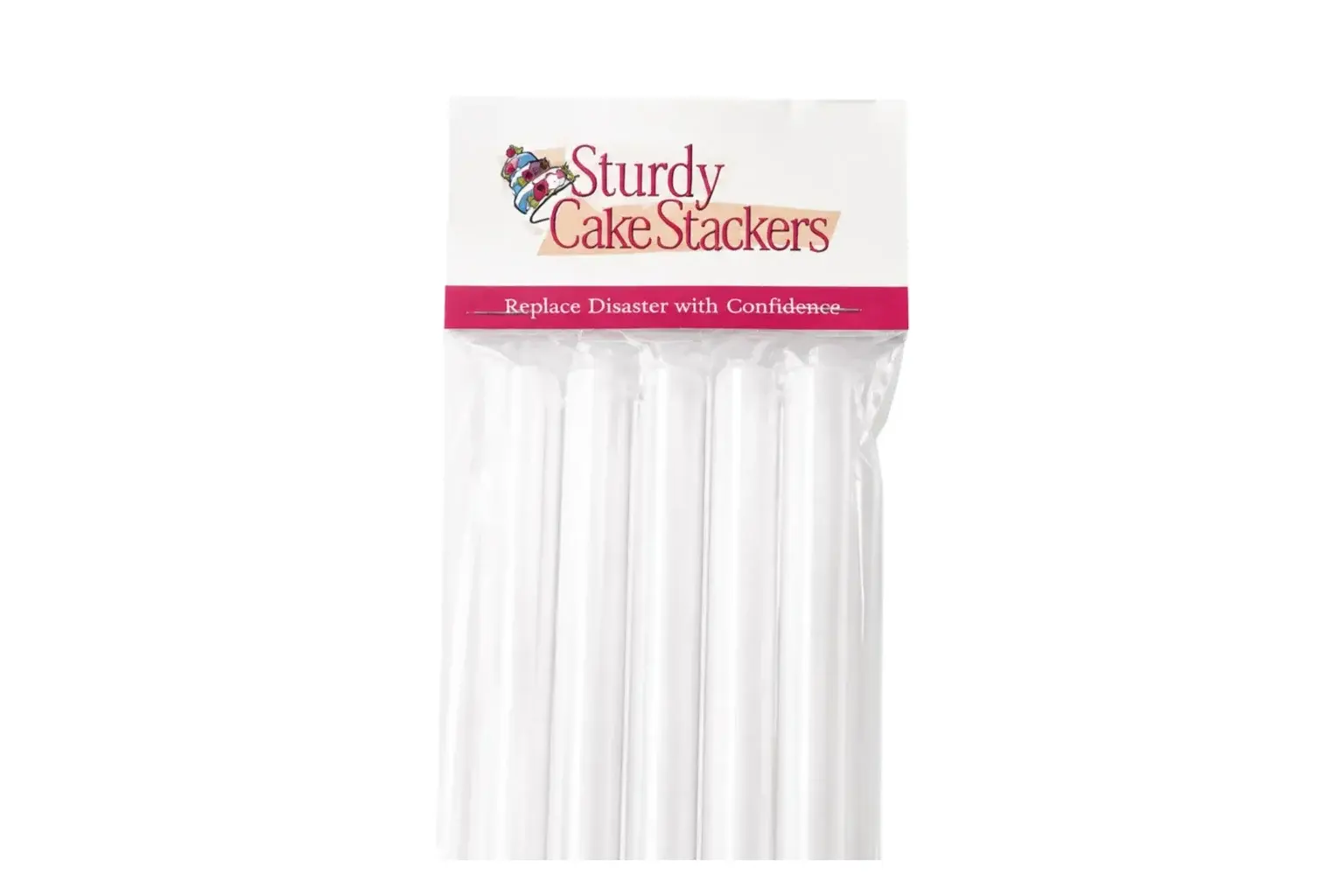
The dowels inside each tier create the support for the cake above. Generally, the larger and heavier the tier you’re supporting, the more support you’ll need.
A useful starting point is approximately one dowel per inch of the diameter of the cake tier being supported. For example, if an 8″ cake is supporting a 6″ cake, you would typically use around six dowels.
However, this isn’t a hard-and-fast rule. Very tall or particularly heavy cakes may need additional support, so always consider the size, height and weight of your individual cake.
3. Cutting your dowels at different heights
This is a small detail that can make a surprisingly big difference.
If your dowels aren’t all the same height, the cake card above won’t sit evenly across them. Even a few millimetres of difference can leave your next tier sitting at an angle.
Insert your first dowel vertically until it reaches the cake card or board underneath. Mark where it meets the surface of the cake, remove it and cut it to size.
You can then use this dowel as a guide when cutting the remaining supports.
Once they’re inserted, the tops of your dowels should sit flush with the surface of the cake.
4. Positioning your dowels too far apart
Where you put your dowels matters just as much as how many you use.
All of the supporting dowels need to sit within the footprint of the cake tier above. If they’re positioned outside the edge of the upper cake card, they aren’t supporting its weight.
Before inserting them, work out approximately where the next tier will sit and position your dowels evenly within that area. This spreads the weight more evenly and gives the next tier a stable platform.
5. Forgetting about central support
Dowels help support the vertical weight of your cake, but tall and tiered cakes can also benefit from protection against sideways movement, particularly if the finished cake needs to be transported.
This is where a central support system can make a big difference.
Sturdy Cake Stackers uses a central pole running through the pre-drilled cake boards and cards, helping the individual tiers stay aligned and reducing movement during transport.
Instead of hammering a sharpened wooden dowel through a finished cake and its boards, the system is designed so that the boards and cards are prepared for the central support before you start stacking.
6. Using the wrong size cake boards or cards
Your base board needs to be strong enough for the entire finished cake, while the cards between tiers should suit the individual cakes sitting on them.
A board that’s too thin can flex under the weight of a large cake, while an oversized card between tiers can remain visible once the cake is assembled.
Planning your board and card sizes before you start decorating makes the final stacking process much easier. We’d recommend using a solid cake drum to support your finished cake.
7. Not checking that each tier is level
A tiny lean on the first tier becomes much more noticeable once another two or three cakes are sitting on top of it.
Check each cake is level before adding the next tier rather than waiting until the entire cake has been assembled. Use a spirit level to check your cake is level. If something doesn’t look right, it’s much easier to correct it at this stage.
8. Rushing the stacking process
You’ve already spent hours making the cake. Don’t rush one of the most important parts.
Give yourself plenty of time to measure your supports, cut your dowels accurately and check each tier as you build the cake.
It’s much easier to fix a problem while the cake is still in your kitchen than when you’re standing at a wedding venue with a leaning three-tier cake!
A more secure way to stack a tiered cake
A well stacked cake shouldn’t rely on the sponge underneath to hold everything together. Each tier should have its own support, with the weight transferred through the cake cards and dowels below.
For even more stability, a central support can help keep the tiers aligned, particularly when your finished cake needs to travel.
Sturdy Cake Stackers are designed to make this process simpler, with pre-drilled cake boards and cake cards, a central support pole and stopper that work together as one cake stacking system.
That means less drilling, less guesswork and more confidence when it’s time to move your finished cake.
Stack it. Support it. Get it there in one piece.